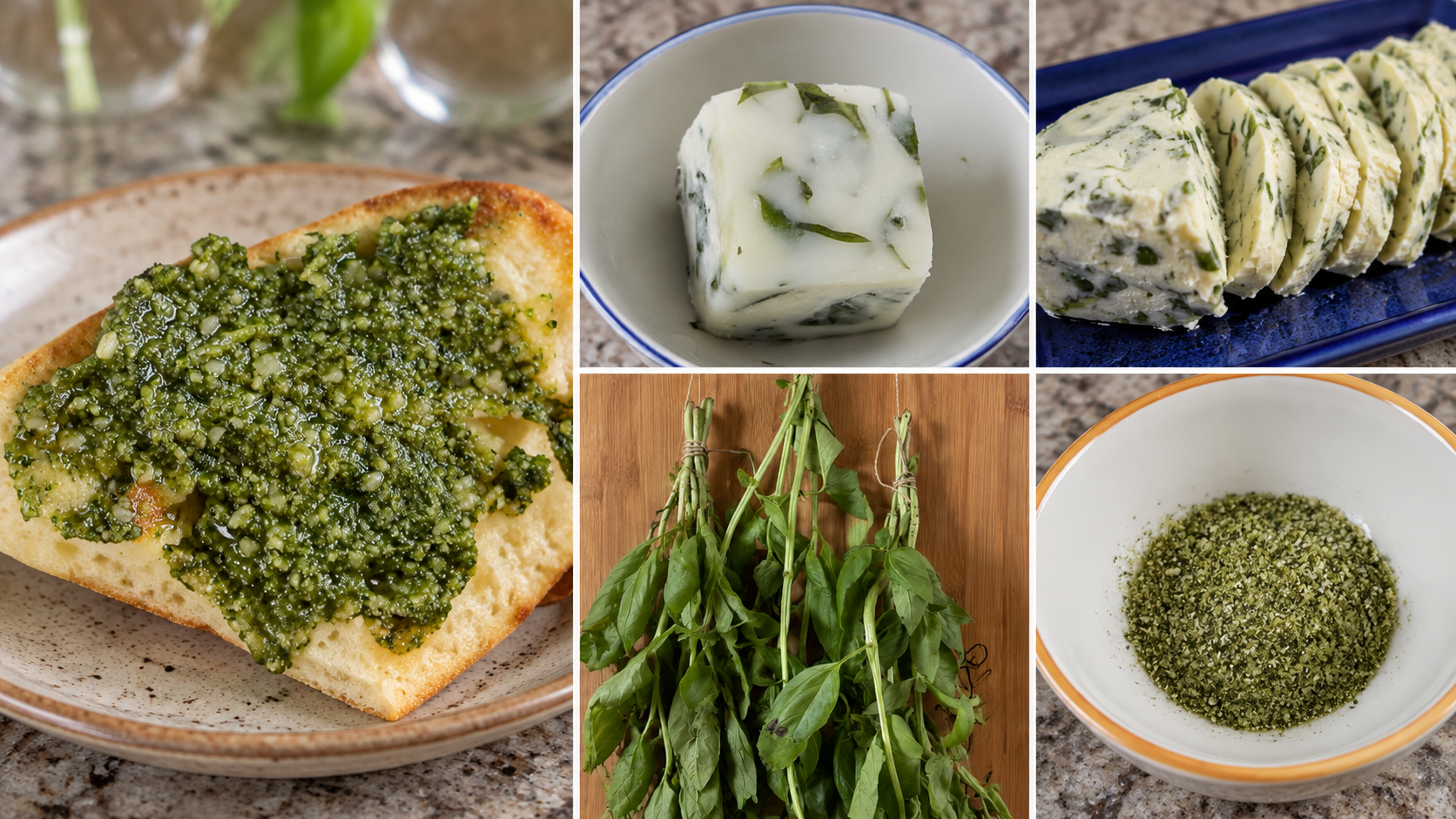
By early September, the basil at Boonville Grown had grown into a full, leafy plant ready for a substantial cut. Instead of turning the entire harvest into one large batch of the same thing, we divided it among several smaller kitchen projects.
That gave us more flexibility. Some basil became food ready to use now. Some went into the freezer in small portions. Some began the slower process of drying. Each method serves a different purpose, and that matters more than naming one method the best.
1. Cashew pesto
We made our pesto with cashews in place of pine nuts. The cashews kept the sauce rich and gave us a practical way to use ingredients already on hand.
This is the most meal-ready method in the group. A spoonful can become pasta sauce, a sandwich spread, a topping for vegetables, or the base of another meal.
Because pesto is a fresh, uncooked mixture, it is not a shelf-stable pantry food. We keep only what we will use promptly in the refrigerator and freeze the rest in labeled portions.
2. Freezer flavor bombs
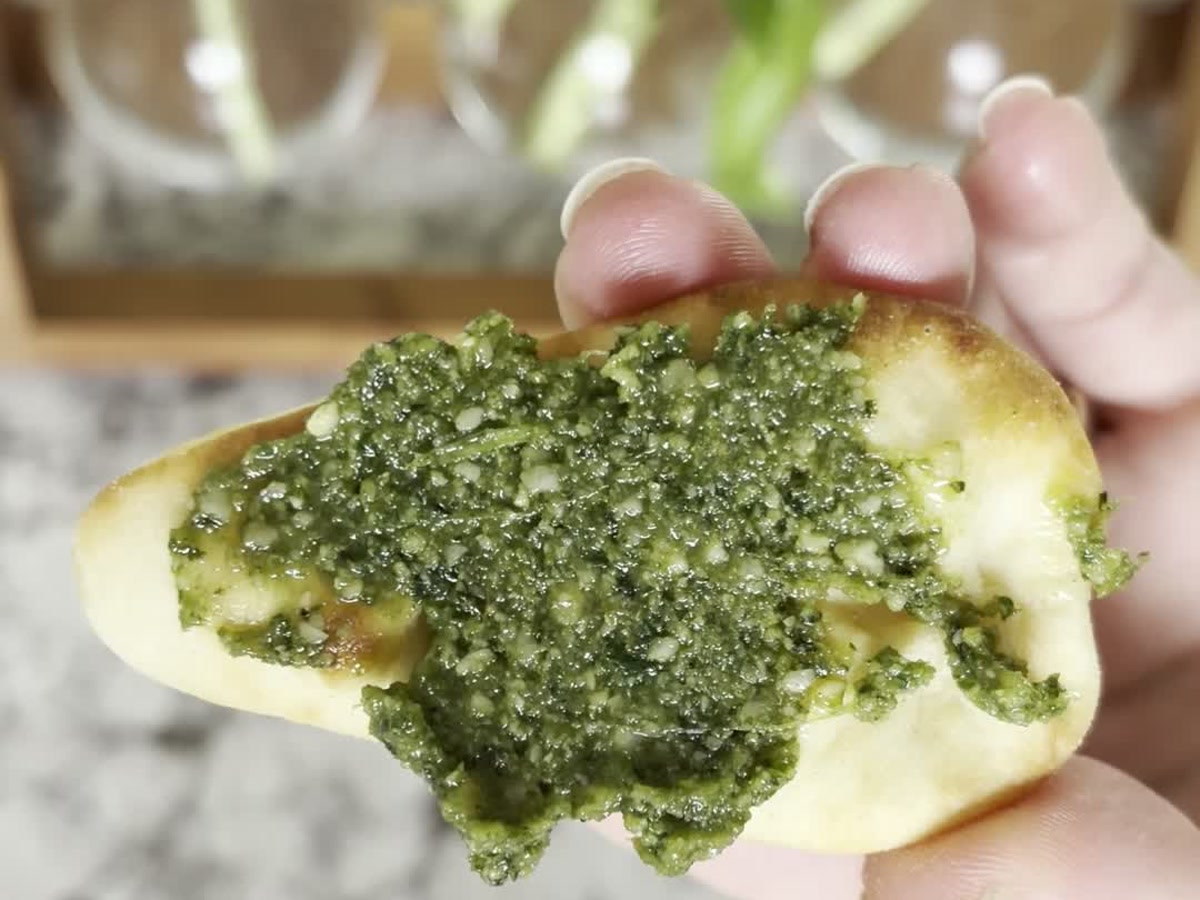
For the second method, chopped basil was portioned into a freezer tray. Once fully frozen, the portions can be popped out and moved into a labeled freezer container.
The small size is the advantage. One portion can go into soup, sauce, or another cooked dish without thawing a large container of basil.
These remain a frozen ingredient. We are not treating basil-and-oil portions as shelf stable.
3. Basil compound butter
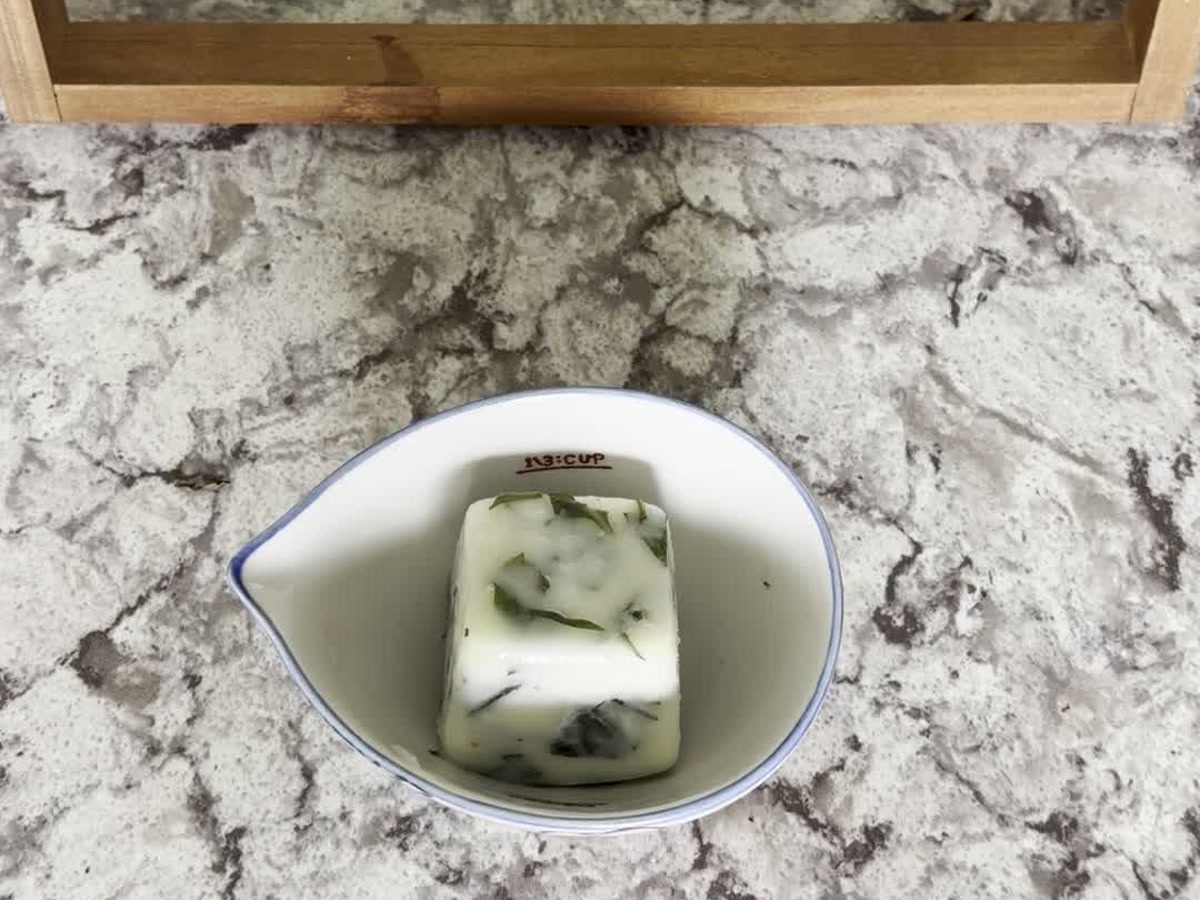
Compound butter gives the basil a different job. Instead of becoming a sauce or cooking cube, it becomes a finishing ingredient that can be cut into small portions.
The chilled butter is easier to slice cleanly after it firms. The portions can be wrapped, labeled, and frozen so only the amount needed for the next meal has to be removed.
4. Basil bundles drying
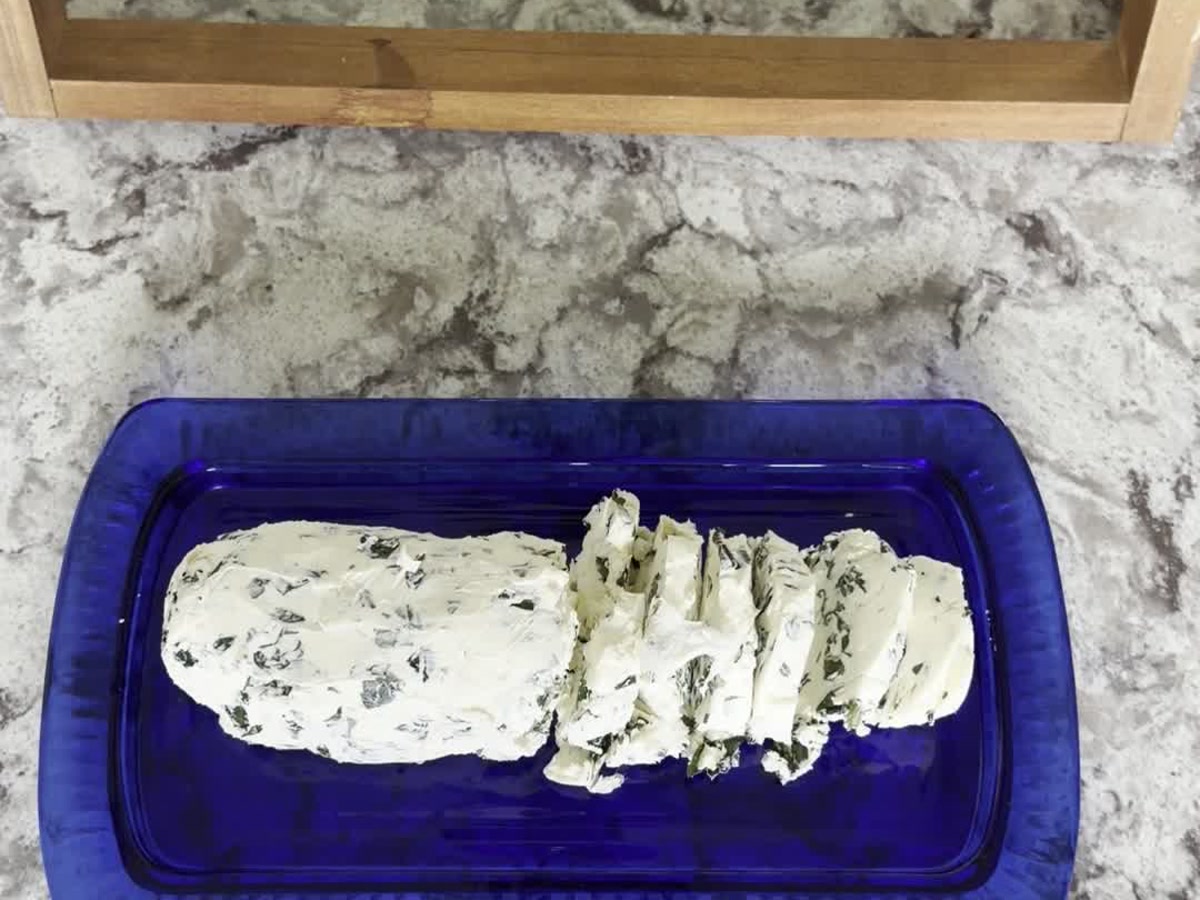
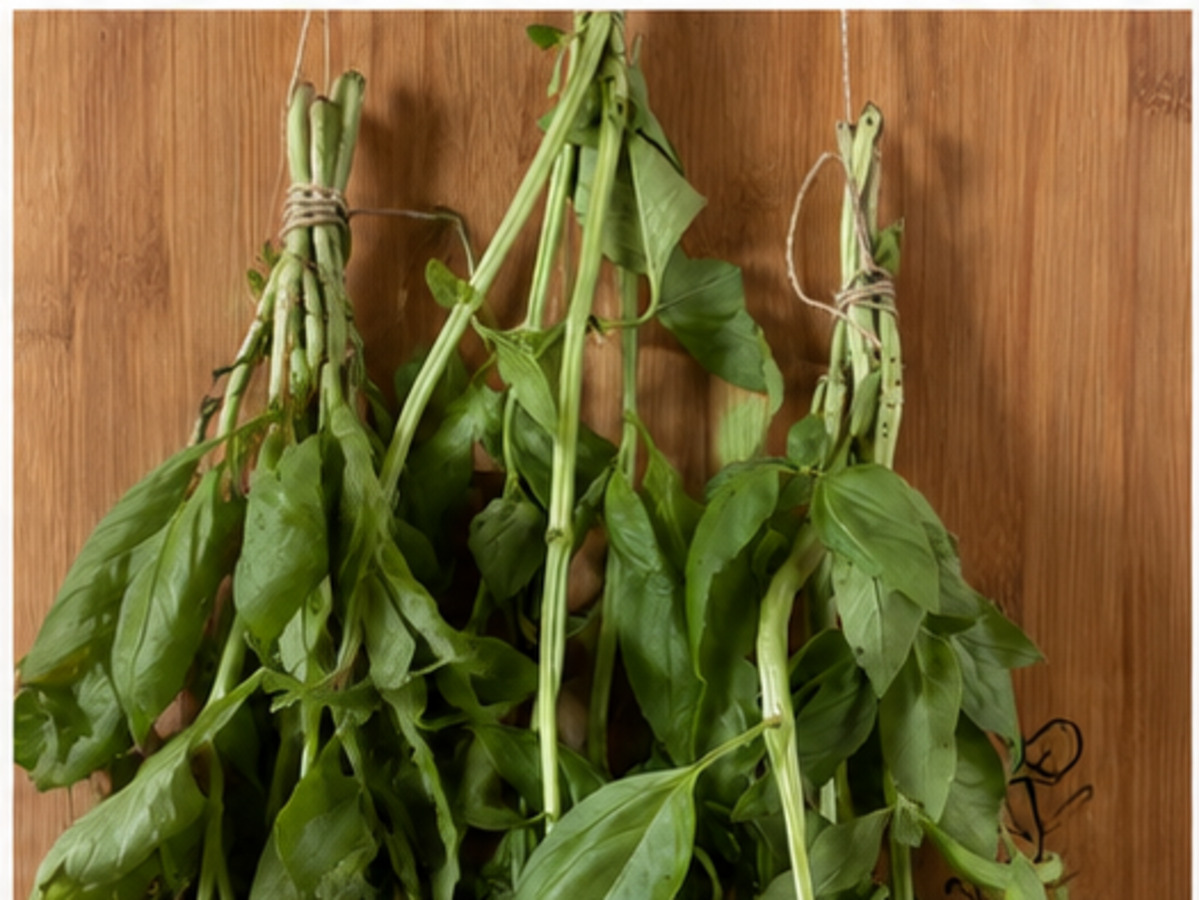
Not every result was finished in one day. Several basil bundles were tied and hung with room for air to move around them.
This method needs patience. We will not move the leaves into pantry storage until they are fully dry. The changing texture of the leaves—and the way they crumble when ready—belongs in the follow-up story rather than being claimed before the full batch is ready.
5. Basil salt
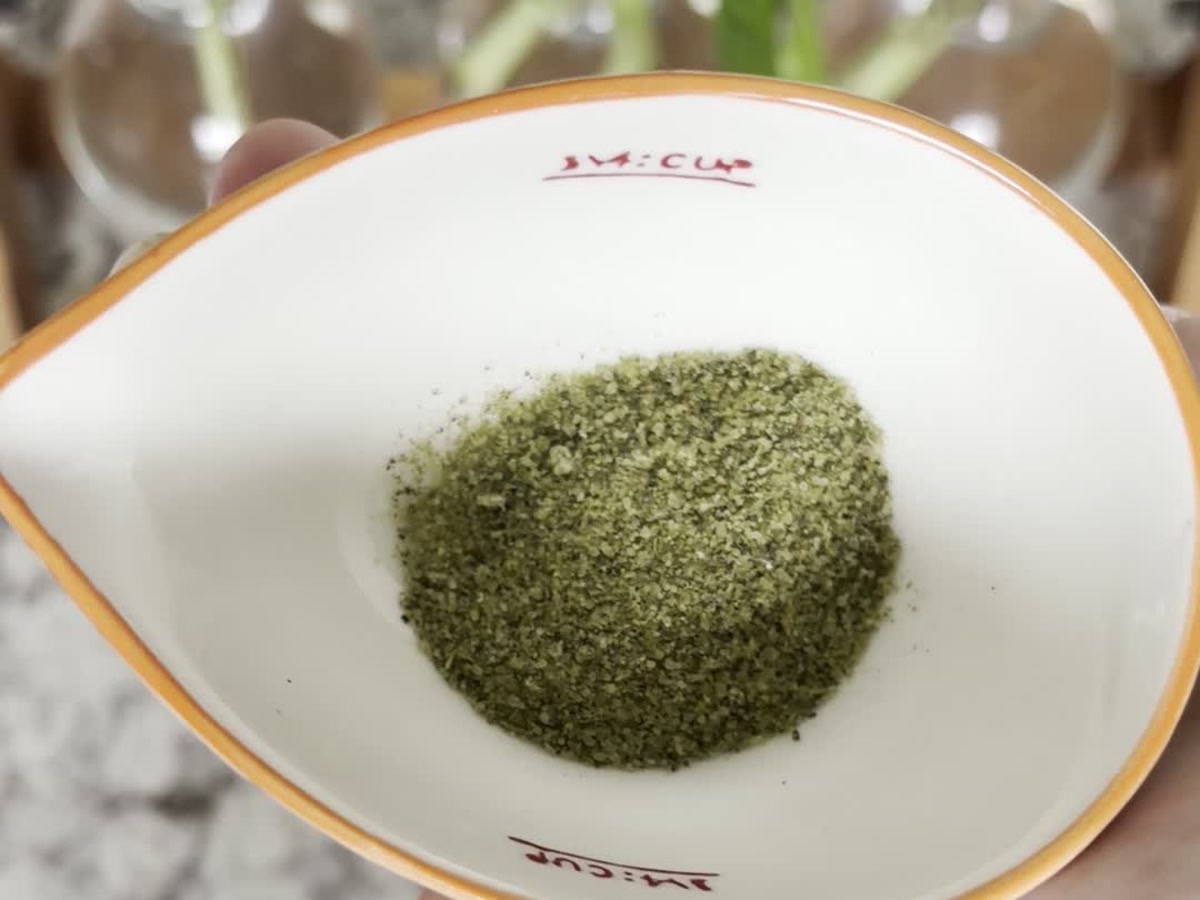
Basil salt from an earlier harvest gave us a fifth option to include in the comparison. It concentrates basil into an easy-to-use seasoning and provides a useful contrast with the freezer methods.
The visible mix of salt and herb shows what the finished ingredient actually looks like—not simply a jar carrying a basil label.
How we choose among them
- Choose pesto when you want a finished sauce.
- Choose flavor bombs when you want quick portions for cooked meals.
- Choose compound butter when you want a sliceable finishing ingredient.
- Choose drying when you want a future pantry herb and can wait for the process to finish.
- Choose basil salt when you want a concentrated seasoning.
More than stored basil
Dividing the harvest this way gave us more than stored basil. It gave us several different ways to bring the garden into later meals.
A food-safety note
Fresh herb mixtures need to be stored according to tested food-safety guidance. The National Center for Home Food Preservation recommends keeping fresh pesto refrigerated no more than three days or freezing it for longer storage. The University of Maine Cooperative Extension advises that oils made with fresh herbs should be tested and approved by a food-processing authority, so that method is not included here.
What happens next
The freezer methods will remain in labeled frozen storage. The basil bundles will stay undisturbed until the leaves are fully dry. We will share the final drying and pantry-storage results when they are actually ready—not before.
Sources
National Center for Home Food Preservation — Freezing Pesto
University of Maine Cooperative Extension — Safe Homemade Flavored and Infused Oils
Which of these five methods would fit the way you cook?
Reader field notes
Checking the garden gate…